International Transport of Custom-Built Sports Cars
The international relocation of a custom-built sports car is not a standard freight operation; it is a high-value asset transfer that requires meticulous technical planning. Choosing the wrong methodology does not just risk delays; it exposes the owner to physical damage risks and uninsured financial losses. Logistics managers must evaluate transport modes based on the vehicle's specific ground clearance, width, and structural integrity.
Full Container Load (FCL): The Gold Standard
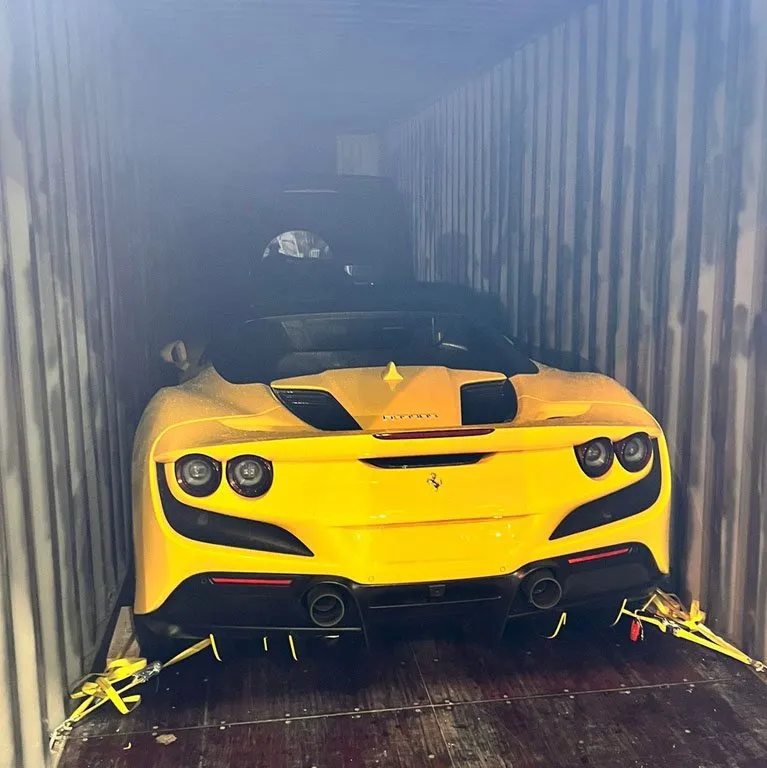
For bespoke vehicles, Full Container Load (FCL) shipping is the most recommended method. By utilising a dedicated 20ft or 40ft High-Cube container, the vehicle is isolated from external environmental factors and other cargo. The primary risk factor in FCL shipping is improper lashing. We mandate the use of soft-tie wheel straps and timber chocking to ensure the vehicle remains static without putting stress on its suspension or bespoke bodywork. This method also provides a sealed chain of custody, which is vital for insurance validation.
Roll-on/Roll-off (RoRo): High-Volume Efficiency
While RoRo is often more cost-effective for standard production cars, it is rarely suitable for custom-built sports cars with low ground clearance or sensitive aerodynamic components. The risk of undercarriage damage during loading on the ramps is high. Furthermore, RoRo exposes the vehicle to the elements and multiple handlers, increasing the likelihood of minor cosmetic damage that can drastically reduce a custom car's valuation.
Air Freight: Precision and Rapid Deployment
When time-sensitivity or absolute security is paramount, Air Freight is the definitive solution. Although the capital outlay is significantly higher, the inventory carrying costs and exposure to maritime risks are virtually eliminated. According to the IATA Dangerous Goods Regulations, vehicles are classified as UN3166 and require specific battery disconnection and fuel levels below a quarter tank. Air freight is the preferred choice for cars destined for international shows or time-critical auctions.
Incoterms 2020: Defining Financial and Legal Risk
Incoterms are the legal foundation of any international shipment. They determine exactly when the risk of loss or damage transfers from the seller to the buyer. Choosing an inappropriate term can lead to devastating financial consequences if a vehicle is damaged mid-transit. The International Chamber of Commerce (ICC) defines these rules, and they must be cited in every shipping contract.
Critical Incoterms for High-Value Vehicles:
- FCA (Free Carrier): Highly recommended for containerised automotive freight. The seller's responsibility ends once the car is delivered to the specified carrier at the port or warehouse. This gives the buyer full control over the choice of the specialist shipping line.
- CIP (Carriage and Insurance Paid to): The seller pays for the freight and insurance to the destination. However, under Incoterms 2020, CIP requires a high level of insurance coverage (Clause A), which is essential for protecting the full commercial value of a custom vehicle.
- DDP (Delivered Duty Paid): The seller handles everything, including UK or US import duties. This is the most seamless option for the buyer but requires the seller to have expert knowledge of local tax laws to avoid being blocked at customs.
UK and US Customs: Compliance and Documentation
Customs clearance is the most significant hurdle in international automotive logistics. Errors in documentation can lead to the seizure of the vehicle by authorities or the imposition of heavy anti-dumping duties. Both the UK's HMRC and the US Customs and Border Protection (CBP) have strict electronic filing mandates.
Exporting from the UK
All UK exports must be declared via the Customs Declaration Service (CDS). For custom cars, it is vital to correctly identify the Commodity Code. Most sports cars fall under Chapter 87 of the UK Trade Tariff. If the car is leaving the UK temporarily (e.g., for a race or exhibition), an ATA Carnet should be used to avoid paying import duties and VAT upon its return.
Importing to the United States
The US market has rigorous standards for vehicle entry. Every car must meet EPA (Environmental Protection Agency) and DOT (Department of Transportation) standards. Custom-built cars that are less than 25 years old often require significant modifications or a Show or Display exemption. Failure to provide proof of compliance can result in the vehicle being ordered for destruction or immediate re-export at the owner’s expense.
The Essential Document Suite:
- Original V5C (UK Logbook) or Title: Proof of legal ownership is non-negotiable.
- Commercial Invoice: Must reflect the true market value. Undervaluing a custom car to save on duty is a federal offence in the US and a criminal offence in the UK.
- Bill of Lading (BoL): This serves as the contract of carriage and the document of title.
- EPA Form 3520-1 and DOT Form HS-7: Required for all US entries to declare emissions and safety compliance.
Managing VAT and Duty Exposure
For UK-based businesses, Postponed VAT Accounting (PVA) is a critical tool for managing cash flow when importing vehicles. Instead of paying import VAT at the port, businesses can account for it on their periodic VAT return. However, this requires meticulous record-keeping and correct EORI (Economic Operator Registration and Identification) numbers.
In the United States, duty rates for passenger vehicles are generally 2.5%, but additional taxes like the Gas Guzzler Tax may apply to high-performance custom cars. Identifying these hidden costs during the planning phase is essential to prevent budget overruns that can reach tens of thousands of pounds.
Risk Mitigation: Beyond Standard Insurance
A common pitfall is relying on the carrier’s standard liability. Under the Hague-Visby Rules, a shipping line's liability is limited to approximately £2 per kilogram. For a 1,500kg sports car worth £250,000, this would result in a payout of just £3,000 in the event of a total loss. All-Risk Marine Cargo Insurance is the only way to protect the asset's actual value.
Furthermore, shippers must be aware of General Average. This ancient maritime principle dictates that if a ship is in peril and cargo is sacrificed to save the vessel, all cargo owners must contribute to the loss. Without a specific General Average clause in your insurance policy, your custom car could be held legally until you pay a proportional share of the ship's entire loss, which can be staggering.
Common Pitfalls in Custom Car Logistics
- Inadequate Pre-Shipment Surveys: Without a high-resolution Condition Report, proving that damage occurred during transit is nearly impossible. We recommend professional 360-degree photography before the car enters the container.
- Neglecting "Personal Effects": US Customs is extremely strict about unmanifested items inside a vehicle. Packing spare parts or personal items in the car can result in the entire container being flagged for a Full Forensic Exam, costing the owner thousands in inspection fees.
- Battery and Fluid Failures: Bespoke electronics are sensitive. Failing to use a battery isolator or properly draining fluids to regulated levels can lead to environmental leaks and damage to the car's internal systems.
Frequently Asked Questions
Can I ship a custom car to the US if it doesn't meet safety standards?
Generally, vehicles less than 25 years old must meet all Federal Motor Vehicle Safety Standards (FMVSS). However, you may apply for a Show or Display exemption for vehicles of "exceptional technological or historical significance." This is a rigorous process that must be completed through the NHTSA before the car is shipped.
How do I prove the value of a one-off custom build for customs?
Customs authorities require a Professional Appraisal or a detailed build sheet showing the cost of components and labour. If the value is deemed "implausible," customs may conduct a valuation audit, which can delay your shipment for weeks.
What happens if my car is damaged during a port inspection?
Customs authorities are generally immune from liability for damage caused during mandatory inspections. This is why having a comprehensive insurance policy that specifically covers "Customs Examination Damage" is vital for bespoke car owners.
Do I need to pay UK VAT when importing a classic sports car?
Vehicles of "historical interest" (generally those over 30 years old in their original state) may qualify for a reduced VAT rate of 5% and 0% duty under Heading 9705 of the UK Global Tariff. This can save owners thousands of pounds compared to the standard 20% VAT rate.
Is a tracking device required for international transit?
While not legally required, we strongly recommend a GPS/Satellite tracker with an independent power source. Note that some shipping lines require trackers to be in "Flight Mode" during transit to comply with signal interference regulations.