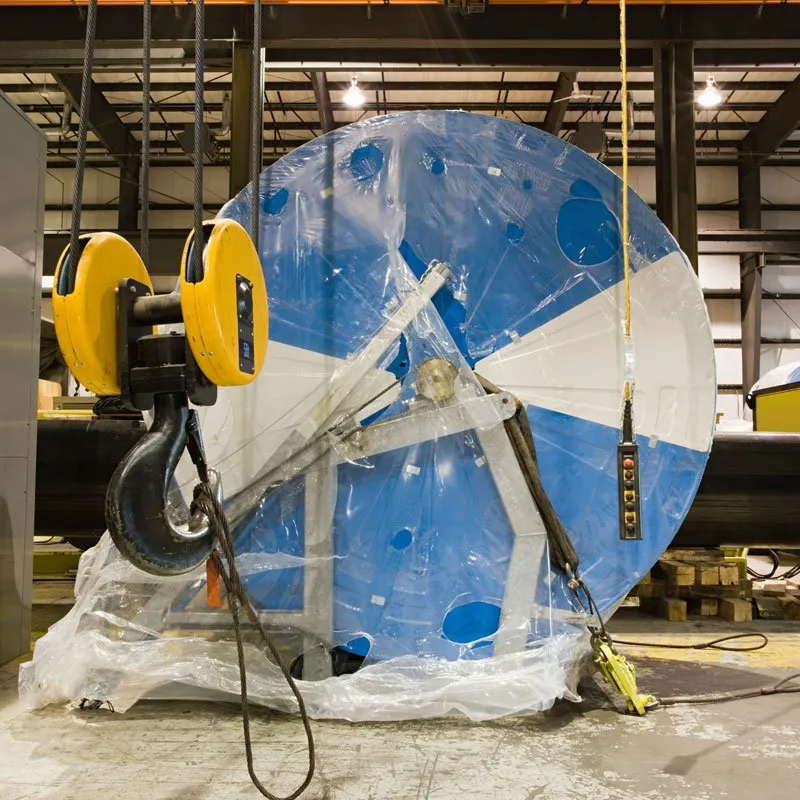
International Shipping of Subsea Umbilicals
Pre-Shipment Planning: A Foundation for Success
Meticulous pre-shipment planning is paramount for the secure and efficient international transport of subsea umbilicals. A proactive approach minimises risks, reduces potential delays, and ensures compliance with international regulations.
Precise Dimensional and Weight Assessment
Accurate measurements of the umbilical's length, diameter, and weight are essential. These figures inform the selection of appropriate transport methods and are critical for calculating freight costs. Precise weight determinations are also vital to ensure the chosen vessel possesses sufficient load-bearing capacity.
Destination Port Infrastructure Analysis
A thorough evaluation of the destination port's infrastructure is necessary. This includes assessing the availability and capacity of cranes, quayside space, and specialised handling equipment. The port's experience with heavy-lift cargo and specifically with subsea umbilical shipments should be carefully considered.
Comprehensive Route Survey
A detailed route survey is crucial to identify potential obstacles along the transport pathway. This includes assessing bridges, tunnels, narrow waterways, and depth restrictions. A proactive route survey helps mitigate potential delays and minimises the risk of damage to the umbilical during transit.
Bespoke Packaging Design and Implementation
Develop and implement a robust packaging strategy to safeguard the umbilical from damage throughout the shipping process. This may involve the use of specialised cradles, reels, or protective coatings. Materials selected should be resistant to water, abrasion, and UV degradation. Furthermore, incorporate environmental protection measures into the packaging design.
Permits, Documentation, and Regulatory Compliance
Secure all necessary permits and documentation, including export/import licenses, customs declarations, insurance certificates, and bills of lading. Ensure all documentation adheres strictly to international regulations and complies fully with the specific requirements of the destination country.
Partner Selection: Choosing a Shipping Expert
Selecting a capable and experienced shipping partner is a critical determinant of a successful umbilical shipment. Factors to consider include:
- Proven Experience: Prioritise companies with a demonstrable track record of successfully handling similar subsea umbilical projects. Experience ensures a deep understanding of the unique challenges involved.
- Insurance Adequacy: Verify that the shipping partner offers sufficient cargo insurance to cover potential losses or damages incurred during transit. Clarify the specific terms and extent of their coverage.
- Global Network Strength: A robust global network streamlines logistics, particularly for international shipments. A well-established network ensures efficient handling at various ports and locations worldwide.
- Tracking and Communication Protocols: Demand real-time tracking capabilities and clear, consistent communication throughout the entire shipping process.
For expert assistance, contact Shipping International .co.uk.
Transportation Methodologies: Tailoring the Approach
Breakbulk Shipping: For Oversized Umbilicals
Breakbulk shipping, involving direct loading onto a vessel, is often necessary for exceptionally long umbilicals. This method necessitates specialised heavy-lift equipment at both the origin and destination ports. Key considerations include cost, transit time, suitability for specific umbilical dimensions, and the availability of appropriate vessels. While potentially more expensive, breakbulk shipping provides greater flexibility for handling oversized cargo.
Heavy-Lift Containerisation: For Shorter Umbilicals
This method is suitable for shorter umbilicals and requires specialised containers and heavy-lift cranes. Sectioning the umbilical may be necessary to conform to standard container dimensions. Weigh the advantages and disadvantages, cost implications, transit time, suitability for various umbilical lengths and diameters, and available vessel types. Compared to breakbulk, containerisation enhances security and provides superior protection from environmental elements.
Hybrid Approach: Optimising Efficiency
A combined approach, integrating both breakbulk and containerisation methods, may represent the most efficient solution for certain projects. This approach optimises cost-effectiveness and logistical efficiency based on the umbilical's length and other specific project parameters.
Loading, Securing, and Weather Protection
Meticulous Handling Procedures
To prevent damage during loading and unloading operations, utilise appropriate heavy-lift equipment and engage experienced personnel. Employ certified riggers and utilise suitable lifting gear to minimise the risk of accidents and potential damage.
Robust Lashing Systems
Implement robust lashing systems to securely fasten the umbilical during transit, preventing movement and potential damage. The lashing system must be engineered to withstand the stresses of maritime transport and prevent shifting during the voyage.
Environmental Shielding
Protect the umbilical from exposure to the elements, including rain, sun, and salt spray. This may involve the use of tarpaulins, waterproof covers, or other appropriate protective measures.
Insurance and Proactive Risk Management
Cargo Insurance
Secure cargo insurance to cover potential losses or damages during transit. The insurance policy should encompass all potential risks, including damage, loss, and delays.
Comprehensive Risk Assessment and Mitigation
Conduct a thorough risk assessment to identify and mitigate potential hazards throughout the shipping process. Address common challenges such as weather delays, port congestion, and equipment failure. Develop and document mitigation strategies to address each identified risk.
Post-Shipment Management
Shipment Tracking and Real-Time Monitoring
Employ appropriate tracking systems to monitor the shipment's progress throughout its journey. Real-time tracking enables proactive issue resolution and facilitates timely updates to all stakeholders.
Customs Clearance Facilitation
Provide all necessary documentation and cooperate fully with customs officials to ensure seamless customs clearance at the destination port. Proactive communication with customs authorities can prevent potential delays.
Delivery and Offloading Coordination
Coordinate the delivery and offloading of the umbilical at its final destination, ensuring the availability of appropriate heavy-lift equipment and the engagement of experienced personnel. Careful planning is essential for a safe and efficient offloading process.
Frequently Asked Questions
What are the primary challenges in shipping subsea umbilicals internationally?
The primary challenges include managing the umbilical's size and weight, securing necessary permits and documentation, mitigating risks associated with weather and handling, and ensuring compliance with international regulations.
How do I determine the most suitable shipping method for my subsea umbilical?
The optimal shipping method depends on the umbilical's length, diameter, weight, and the infrastructure available at both the origin and destination ports. A thorough assessment of these factors is crucial.
What type of insurance coverage do I need for shipping a subsea umbilical?
You need comprehensive cargo insurance that covers potential losses or damages during transit, including damage from handling, weather, and delays. Verify the policy covers the full value of the umbilical.
How can I track my subsea umbilical shipment in real-time?
Choose a shipping partner that offers real-time tracking capabilities. These systems typically provide updates on the shipment's location and status throughout the journey.
What documentation is required for international subsea umbilical shipments?
Required documentation typically includes export/import licenses, customs declarations, insurance certificates, and bills of lading. Ensure all documentation complies with international regulations and the requirements of the destination country.