
Our team of experts creates tailored solutions to overcome any freight challenge.
Cargo Guide

The transport of refinery columns, distillation towers, fractionators, and reactors is one of the most demanding disciplines in project logistics. These multi-million-pound assets often exceed 50 metres in length and 100 tonnes in weight, requiring maritime engineering and strict adherence to international trade law. This guide details the technical requirements for moving petrochemical infrastructure safely across global borders.

Shipping farm wind turbines is a complex engineering feat that requires strict adherence to maritime safety protocols and international haulage laws. This guide provides a deep dive into the technicalities of wind energy project cargo, ensuring compliance with global maritime standards and BIFA regulations.

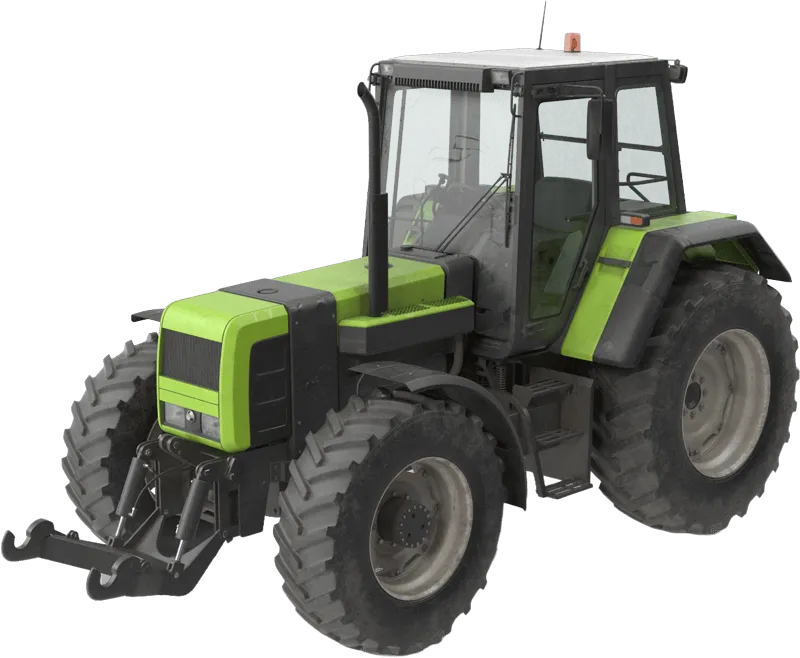
Shipping a combine harvester internationally requires specialist knowledge of out-of-gauge logistics, heavy-lift sea freight, and strict biosecurity regulations. This guide covers essential preparations, transport modes, and customs requirements for exporters sending agricultural machinery from the UK.

Shipping heavy-duty piling rigs and impact hammers, including hydraulic, diesel, and vibratory units, requires a technical logistics strategy that ensures total compliance with maritime safety law and international haulage regulations. This guide provides a deep-dive into moving oversized foundation equipment while adhering to BIFA standards and global safety protocols.
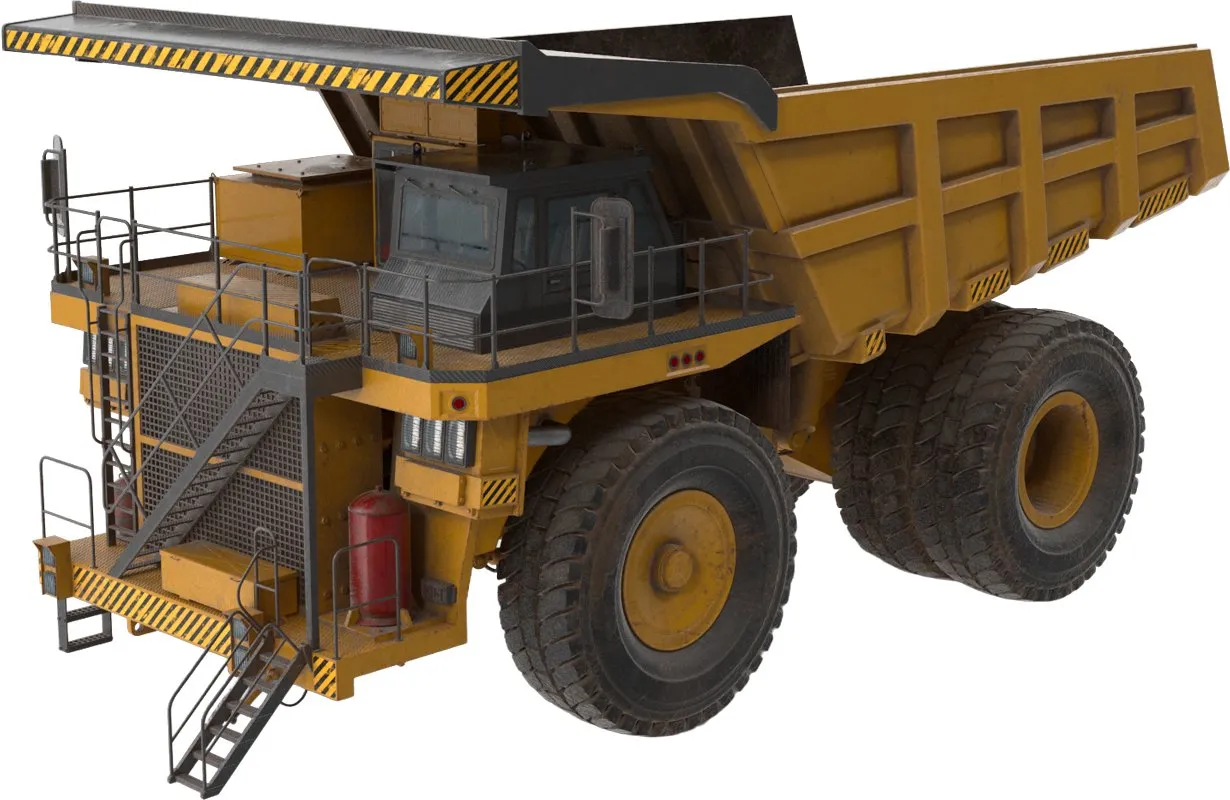
Shipping mining trucks like the Caterpillar 797 or Komatsu 930E involves extreme engineering and rigorous logistics. This guide details the technical requirements for transporting ultra-class haul trucks across global borders, ensuring compliance with BIFA standards and international maritime safety protocols.

Shipping pavement pavers and heavy-duty road surfacing machinery requires specialised palletisation, precise weight distribution, and rigorous customs compliance. This guide details the technical requirements for transporting stone, concrete, and asphalt paving assets across global borders while adhering to BIFA standards and international maritime protocols.
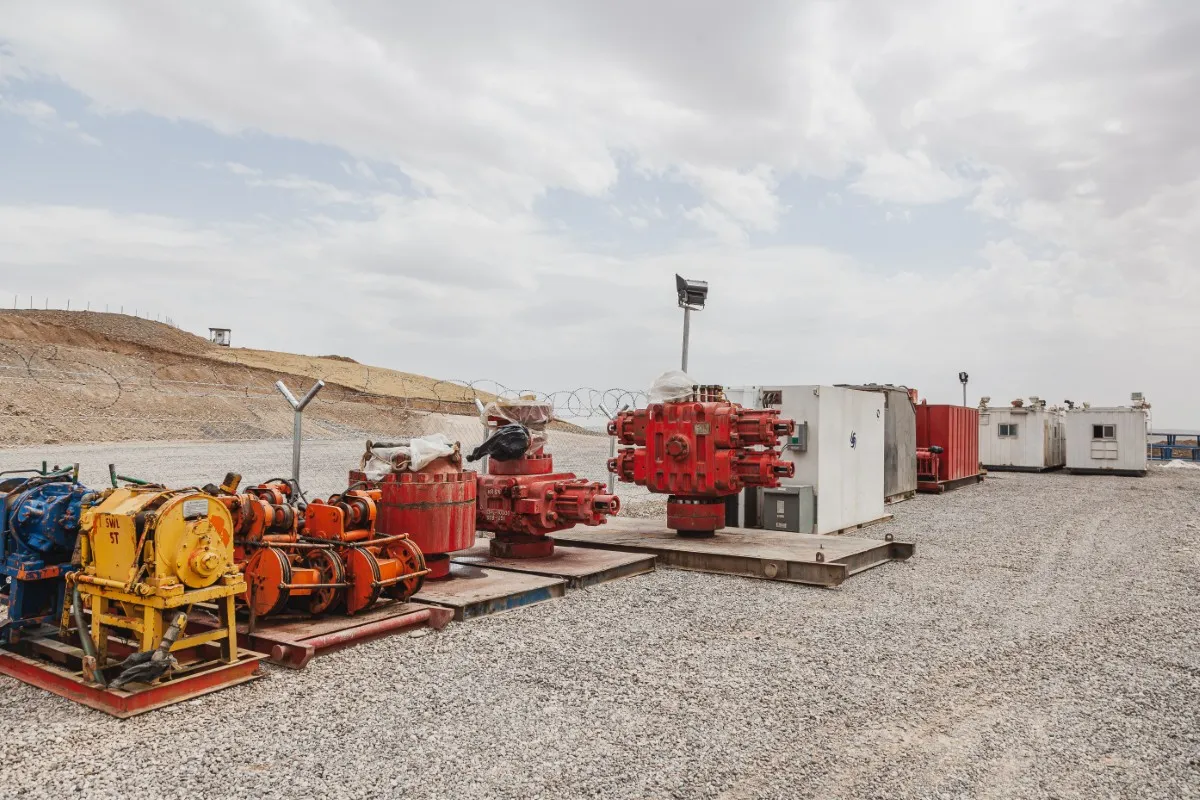
The transport of offshore rig components ranging from subsea manifolds and blowout preventers (BOPs) to derrick sections is an exercise in precision engineering and maritime law. Success requires more than standard freight forwarding; it demands a rigorous adherence to BIFA standards and a deep understanding of the IMO Code of Safe Practice for Cargo Stowage and Securing.

Shipping dockside gantry cranes require a convergence of mechanical engineering and global supply chain management. This guide details the technical requirements for transporting Ship-to-Shore (STS) and Rail-Mounted Gantry (RMG) cranes to and from the UK, focusing on mode selection, Incoterms 2020 risk allocation, and mandatory HMRC customs compliance to ensure safe, on-schedule delivery.

Transporting heavy plant machinery such as bulldozers requires technical precision, adherence to maritime law, and meticulous customs procedures. This guide details the essential requirements for shipping earthmoving equipment, ensuring compliance with international safety protocols and BIFA standards.

Shipping an excavator from the UK requires a clear strategy for mode selection, biosecurity cleaning, and abnormal load permits. This guide covers how to choose between RoRo and containerisation, the impact of STGO regulations on inland transport, and the mandatory customs procedures for global heavy-machinery logistics.
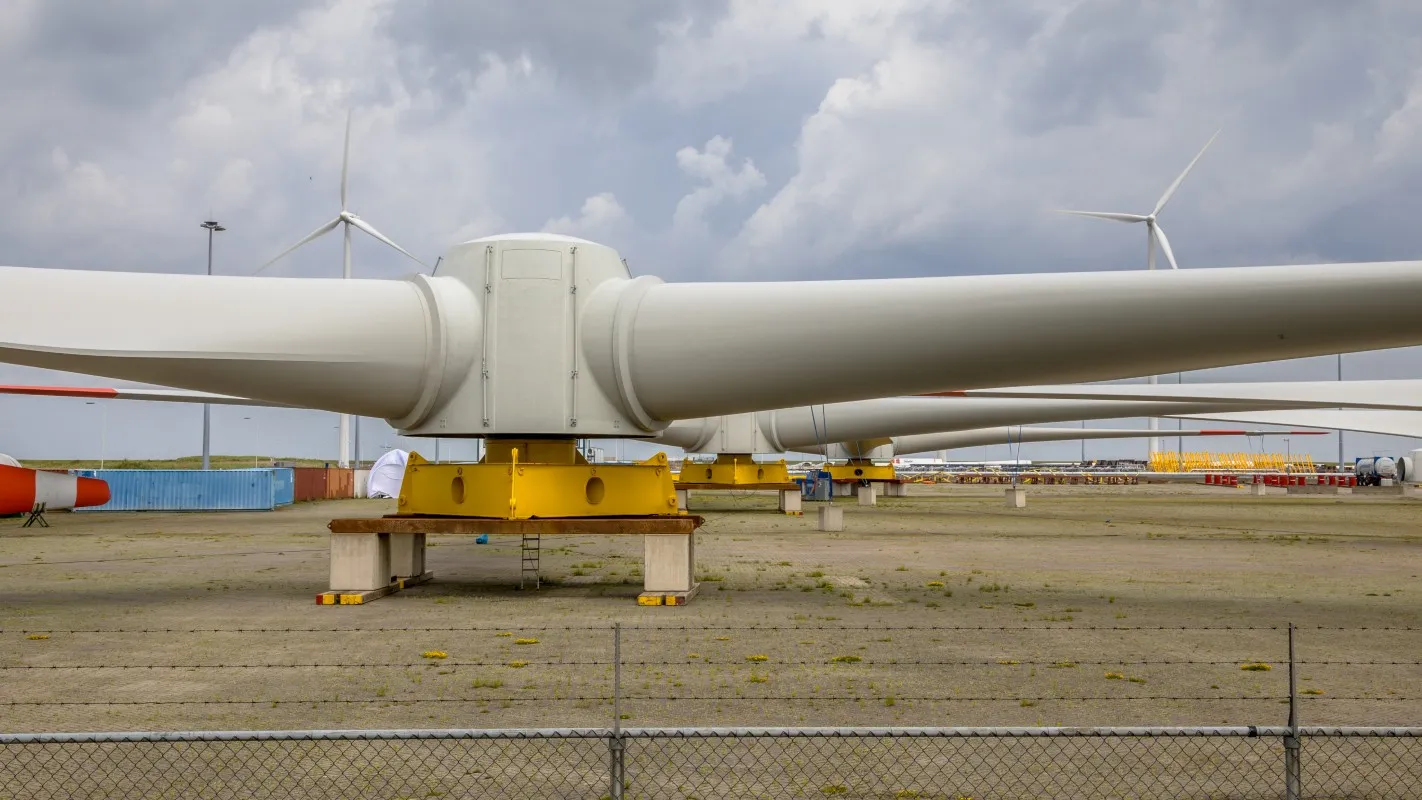
Shipping modular offshore wind installations requires a convergence of maritime engineering and global supply chain management. This guide details the technical requirements for transporting nacelles, blades, and tower sections to and from the UK, focusing on mode selection, Incoterms 2020 risk allocation, and mandatory HMRC customs compliance to ensure project timeline integrity and asset safety.
Get in touch with our team
Our team is here to assist.

1. Please open our quote form
by clicking on 'Contact us' below.
by clicking on 'Contact us' below.

2) Tell us your requirements.
Choose an enquiry type and explain your request.
Choose an enquiry type and explain your request.

3) Provide your contact details
and click submit.

4) Hear from us.
Our expert assigned to your enquiry will get back to you.
