Project Logistics Experts: Delivering Success to the UK
Shipping International engineers supply chains for the heavy lift and construction sectors. Unlike standard container shipping, project logistics involves moving cargo that breaks the mould, items that are too heavy, wide, or tall for conventional transport. We act as the control tower for these movements, coordinating between vessel owners, heavy haulage operators, and port authorities to deliver your assets safely.
Our team manages the full lifecycle of the shipment. From the initial route survey in the Scottish Highlands to the final positioning of a transformer in a London substation, we control the risk and the schedule.




UK Port Operations and Heavy Lift Gateways
Selecting the right point of entry or exit is critical to reducing inland transport costs. We utilise specific UK ports equipped for heavy cargo operations.
- Immingham & Hull: The primary gateways for project cargo entering the North and Midlands. These ports offer deep-water berths and extensive storage for wind energy components and industrial plants.
- Southampton: Ideal for RoRo (Roll-on/Roll-off) and heavy machinery destined for the South of England.
- Liverpool: A key hub for transatlantic project cargo, serving the North West's manufacturing base.
- Felixstowe: While primarily a container port, it handles high volumes of Out-of-Gauge (OOG) flat racks on major liner services.
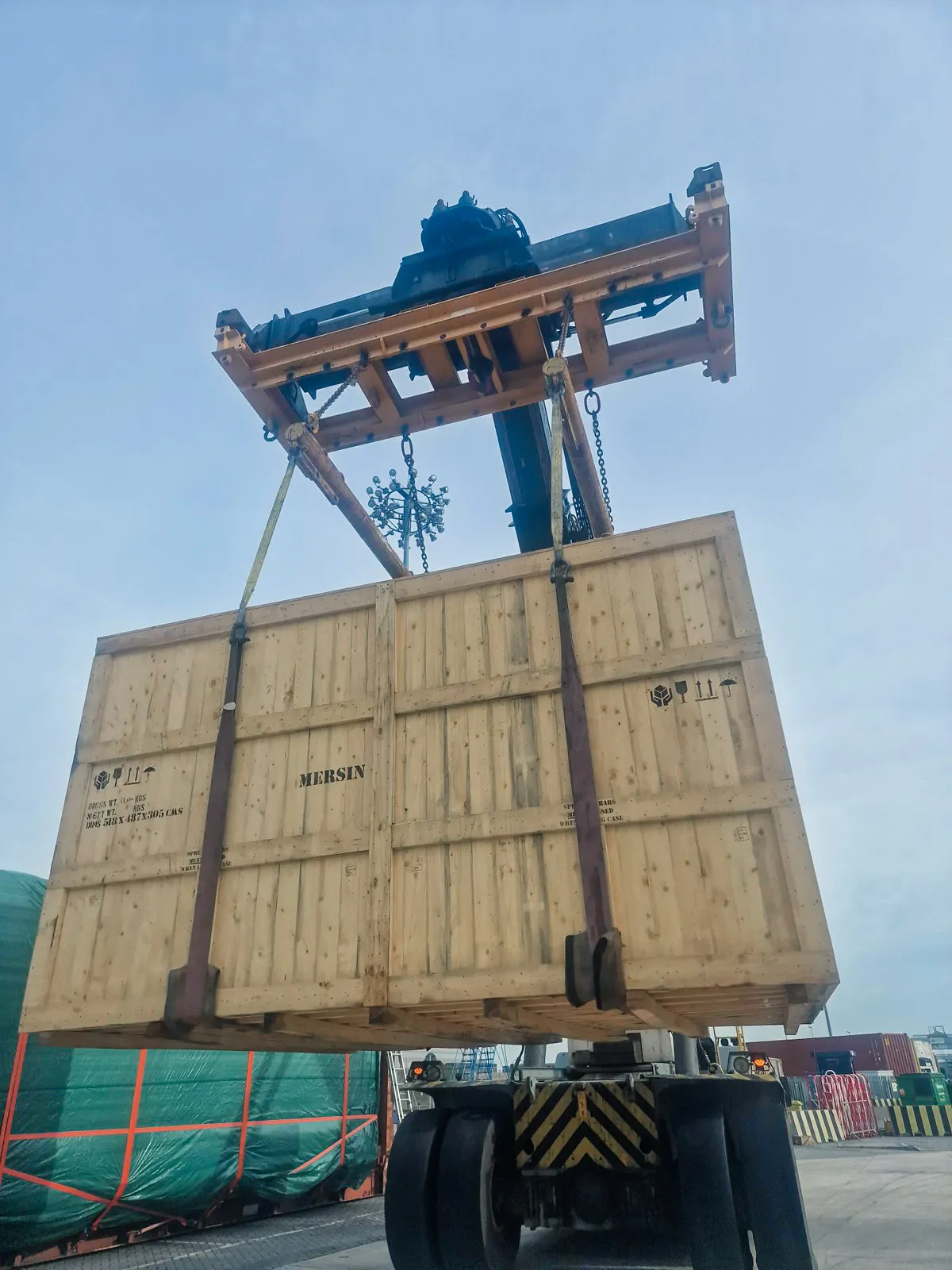
We oversee the stevedoring operations, ensuring that lifting plans are followed and that lashing is certified before the cargo leaves the quay.
Inland Heavy Haulage and ESDAL Compliance
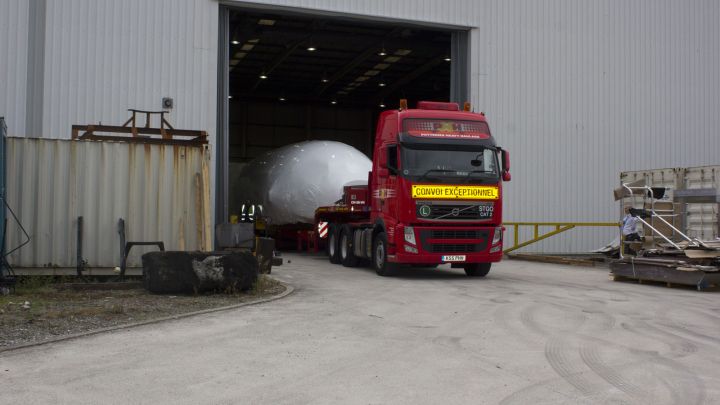
Moving abnormal loads on UK roads requires strict regulatory compliance. The UK's road network is dense, with aged infrastructure that limits weight and height.
Route Planning and Surveys
We conduct physical route surveys to identify pinch points. We check bridge heights, axle weight limits, and turning radii. If street furniture (such as traffic lights or bollards) needs to be removed, we coordinate with the local council and police forces.
Permits and Escorts
We manage the ESDAL (Electronic Service Delivery for Abnormal Loads) process. This involves:
- Notifying police and bridge authorities for loads exceeding standard dimensions (typically over 2.9m wide or 44 tonnes gross weight).
- Arranging private escort vehicles (Pilot Cars) to warn other road users.
- Coordinating police escorts for "Category 3" loads that require road closures.
For more on our inland capabilities, visit our road freight services page.
Customs Clearance and Fiscal Representation
Post-Brexit regulations have changed how project cargo enters the UK. We ensure your documentation is compliant to prevent costly border delays.
Customs Declaration Service (CDS)
We submit complex import declarations via the CDS platform. For project cargo, this often involves claiming relief under Inward Processing (IP) if the equipment is for temporary use or repair, or utilising Returned Goods Relief (RGR) for UK machinery returning from overseas contracts.
Postponed VAT Accounting (PVA)
To aid your cash flow, we can apply Postponed VAT Accounting. This allows you to account for import VAT on your periodic return rather than paying it upfront at the port, a significant cash flow advantage for high-value capital equipment.
Learn more about our compliance support at our customs clearance page.
Sectors We Serve
Our expertise aligns with the UK's core industrial outputs.
- Renewable Energy: Transporting turbine blades, towers, and nacelles for onshore and offshore wind farms.
- Civil Engineering: Moving piling rigs, tunnel boring machines (TBMs), and cranes for major infrastructure projects (such as HS2).
- Power Generation: Delivering generators, transformers, and switchgear to power stations.
- Oil & Gas: Logistics for decommissioning projects and subsea equipment in the North Sea.
Risk Management: Protecting Capital Assets
Project cargo is often unique and difficult to replace. We mitigate financial and physical risk.
Method Statements and Lift Plans
We do not lift until we have a plan. We review the RAMS (Risk Assessment and Method Statement) for every crane operation. This ensures the ground bearing pressure is sufficient and the lifting gear is certified for the load.
Marine Cargo Insurance
Standard carrier liability (Hague-Visby or CMR) pays out by weight, not value. This is rarely sufficient for specialised machinery. We provide "All Risks" insurance that covers the equipment from the moment of dismantling to final installation, including intermediate storage.
Optimise your UK project logistics with Shipping International. Our expertise ensures your complex cargo moves safely, legally, and on time. Contact us today to discuss your specific requirements and receive a tailored solution.
Frequently Asked Questions
What defines an "Abnormal Load" in the UK?
An abnormal load is generally any vehicle or load that exceeds a weight of 44,000kg, an axle load of 10,000kg, a width of 2.9 metres, or a rigid length of 18.65 metres. These loads require notification to authorities via the ESDAL system.
Do you handle the police notifications for wide loads?
Yes. We manage the entire notification process. We inform the Police, Highways England, and bridge owners (such as Network Rail) within the required notice periods, which range from 2 to 5 days depending on the size of the load.
Can you discharge cargo at any UK port?
No. Heavy lift cargo requires ports with specific ground strength and crane capacity. We select the port based on the cargo's technical specifications and the final delivery location to minimise road transport distance. Common hubs include Immingham, Hull, and Southampton.
What is Postponed VAT Accounting (PVA)?
PVA allows UK VAT-registered importers to account for import VAT on their VAT return instead of paying it at the time of importation. We can select this option on your customs declaration to improve your project cash flow.
Do you offer dismantling and assembly services?
Yes. We can arrange for mechanical teams to dismantle heavy machinery at the origin site for transport and reassemble it at the destination in the UK. This often reduces the total shipping volume and freight cost.
How do you ensure the safety of heavy lifts?
We insist on detailed lifting plans and method statements (RAMS) for all crane operations. We use certified surveyors to supervise the loading and discharge, ensuring that lifting points and lashing gear are used correctly.
How can I get a quote for a project shipment?
Please provide technical drawings, dimensions (L x W x H), weights, and the collection/delivery addresses via our quote form. We will conduct a feasibility check and provide a detailed proposal.